
How to Teach a Dog to Swim: A Step-by-Step Guide for First-Timers
Want to teach your dog to swim? Follow this beginner-friendly guide covering water safety, life jackets, training stages, and common mistakes to avoid.
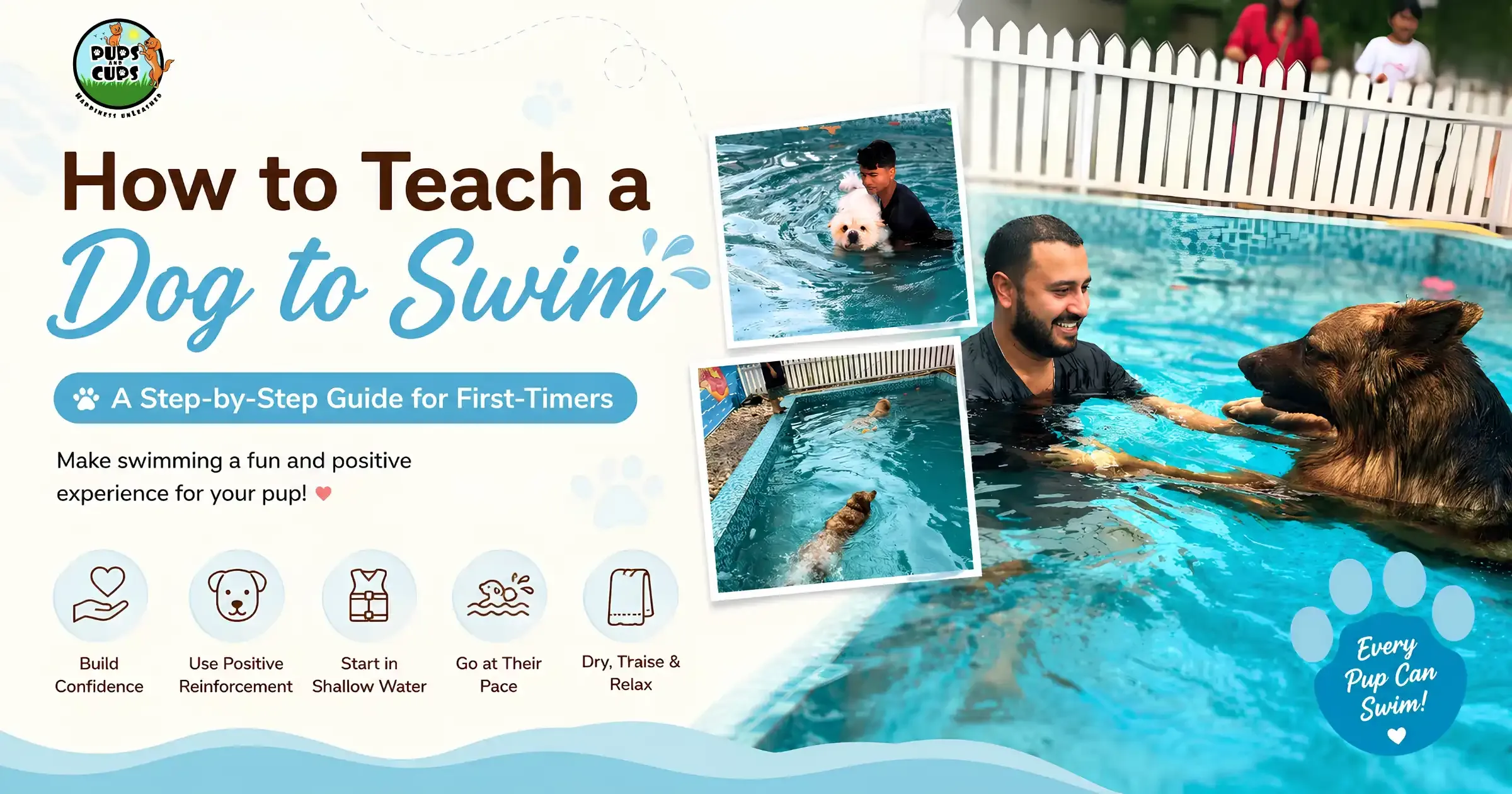
Teaching a dog to swim is easier than most owners expect, but it’s not as simple as tossing them in and watching nature take over. Some dogs take to water immediately; others need a patient, structured introduction before they feel safe.
This step-by-step guide covers everything a first-time dog swimming parent needs to know, from choosing the right spot to building real water confidence.
Can All Dogs Learn to Swim?
Most dogs can learn to swim, but not all are natural swimmers, and a small number should avoid deep water altogether. Breeds like Labrador Retrievers, Golden Retrievers, and Irish Water Spaniels are built for swimming with webbed feet and water-resistant coats. Flat-faced breeds like Bulldogs, Pugs, and Boxers struggle to keep their heads above water due to their anatomy and tire quickly.
Short-legged breeds like Dachshunds and Corgis can swim but may fatigue faster than longer-limbed dogs. Whatever the breed, the golden rule is the same: never force your dog into water and never leave them unsupervised near it.
What Is the Best Age to Start Teaching a Dog to Swim?
You can introduce puppies to water as early as eight to ten weeks, but keep sessions very brief — five minutes maximum — and focus on comfort rather than swimming technique.
Older dogs can absolutely learn to swim at any age, though they may take a few more sessions to build confidence. Age is far less important than temperament and your approach.
If your dog is joining a structured swimming session for the first time, a supervised dog swimming experience with trained handlers takes the guesswork out of the process and keeps your dog safe throughout.
What Do You Need Before Your Dog’s First Swimming Session?
Gather the right equipment before you get near any water. A canine life jacket (fitted correctly for your dog’s weight and chest girth) is non-negotiable for beginners; it keeps your dog buoyant while they figure out their leg coordination.
Choose a location with a gradual entry point: a shallow, calm section of a lake, a purpose-built dog pool, or a gently sloping beach works far better than a steep riverbank or a deep pool with vertical walls.
- A properly fitted canine life jacket
- A long training lead for open-water sessions
- High-value treats your dog is truly motivated by
- Fresh drinking water (dogs often try to drink from pools or the sea)
- Absorbent towels for drying off thoroughly after
- A favourite floating toy to make water feel like play
How Do You Introduce a Dog to Water for the First Time?
Start at the water’s edge, not in it. Let your dog sniff, investigate, and pace along the shoreline at their own pace. Reward calm exploration with treats and keep your body language relaxed and positive.
If your dog approaches the water voluntarily, even dipping a paw, that’s a genuine win worth celebrating.
Avoid carrying your dog into the water; it removes their sense of agency and can create a negative association that takes weeks to undo.
Patience at this stage saves enormous time later. Some dogs need two or three sessions of just shoreline exploration before they’re ready to step in.
What Are the Step-by-Step Stages of Teaching a Dog to Swim?
Stage 1: Shoreline Comfort (Sessions 1–2)
Walk alongside the water’s edge together. Splash gently with your own feet if your dog seems curious. Toss treats just beyond the water line so your dog has a reason to get their paws wet. End each session on a positive note, before your dog shows any sign of stress.
Stage 2: Shallow Wading (Sessions 3–4)
Once your dog is confident at the edge, walk with them into shallow water — ankle depth for you, belly depth for them at most. Stay close, keep a hand under their belly if needed, and talk to them in a calm, encouraging voice. Let them wade at their own pace rather than pulling them deeper.
Stage 3: Supported Swimming (Sessions 5–6)
Move into slightly deeper water where your dog’s feet can no longer touch the bottom. Support their hindquarters gently with one hand; many dogs initially only paddle with their front legs, letting their back end sink. Your support teaches them to engage all four legs and maintain a horizontal position.
Stage 4: Independent Swimming (Sessions 7 onwards)
Gradually reduce your physical support as your dog finds their rhythm. Introduce a floating toy to give them a goal and direction. Keep initial independent swims short — one to two minutes — and always call them back to shore well before they’re tired. A fatigued dog in water is a dangerous dog in water.
How Do You Use Positive Reinforcement During Swimming Lessons?
Every step toward water is worth rewarding, not just actual swimming. Treats, play, and calm praise reinforce the idea that water equals good things. Use a high-value reward your dog doesn’t get elsewhere, like small pieces of cooked chicken or a special toy they only see near water. Timing matters: reward immediately after your dog does something brave, not ten seconds later.
Never punish hesitation or fear near water. Pushing a reluctant dog faster than they’re ready to move creates lasting negative associations that are hard to undo. Progress in swimming is measured in confidence, not distance.
What Safety Rules Should You Always Follow When Dogs Swim?
Never let your dog swim unsupervised — not even experienced swimming dogs. Currents, boat traffic, temperature drops, and fatigue can create dangerous situations quickly. Always have a plan for getting your dog out of the water fast, whether that’s a ramp, a shallow exit point, or your own ability to wade in and assist.
Keep swimming sessions short, especially in the early stages; five to fifteen minutes is enough to begin with. Rinse your dog thoroughly after any swim to remove chlorine, salt, or bacteria from their coat and skin.
Check their ears after each session, as water trapped in the ear canal is a common cause of infections in dogs that swim regularly.
For a fully safe, monitored first experience in water, our dog swimming sessions are run by experienced staff who know exactly how to read a dog’s comfort level in water.
How Long Does It Take to Teach a Dog to Swim?
Most dogs with positive water associations learn the basic mechanics of swimming within three to five sessions. Building genuine confidence — the kind where your dog voluntarily runs into water and enjoys it — typically takes two to four weeks of regular, short sessions. Fearful or anxious dogs may take longer, and that’s completely normal.
Consistency matters more than frequency. Two short, positive sessions per week produce better results than one long, stressful session. Every dog progresses at their own pace, and respecting that pace is what makes a dog a willing swimmer rather than a reluctant one.
How Do You Care for a Dog After Swimming?
Dry your dog thoroughly after each swim, paying particular attention to skin folds, ears, and between the toes. Moisture trapped in these areas is a breeding ground for bacteria and yeast. Use a dry microfibre towel first, then allow them to air dry or use a low-heat dryer if your dog is comfortable with it.
After swimming sessions, especially in pools, a professional grooming appointment helps remove chlorine residue from the coat and checks for any skin irritation that may have developed. Regular grooming after swim sessions keeps your dog’s coat healthy and their skin in good condition long-term.
What Are Common Mistakes First-Time Dog Swimming Owners Make?
The most common mistake is going too fast — choosing deep water before your dog is confident in shallow water, or pushing them into the pool before they’ve voluntarily chosen to enter. Rushing the process creates fear responses that slow everything down in the long run. Slow is fast when it comes to building real water confidence.
Other frequent mistakes include forgetting fresh drinking water (thirsty dogs drink from pools or the sea, which causes stomach upset), leaving dogs unsupervised near water even briefly, and not checking for ear infections after regular swimming. A little care after each session prevents the issues that make swimming unpleasant for everyone.
If you’re thinking about introducing your dog to water for the first time, our FAQ page covers common questions pet parents have before their first session with us.
chat Frequently Asked Questions
1 What if my dog refuses to go near water at all? expand_more
Never force it. Take multiple sessions just getting comfortable near water without entering it. Some dogs take weeks of gradual exposure before they're willing to try.
2 Do dogs need a life jacket even in a pool? expand_more
Yes, during early lessons. A life jacket gives beginners buoyancy while they learn coordination, reducing panic and fatigue in unfamiliar depths.
3 How do I know if my dog is too tired to keep swimming? expand_more
Watch for a high tail position in water, laboured breathing, or slowing paddle strokes. Call them out before these signs appear — prevention is always safer than rescue.
4 Can I teach my senior dog to swim? expand_more
Absolutely. Swimming is low-impact and excellent for joint health in older dogs. Keep sessions shorter and watch for signs of fatigue more closely than you would with a younger dog.
5 Is swimming good exercise for dogs? expand_more
Swimming is one of the best forms of exercise for dogs. It builds cardiovascular fitness and muscle strength without the joint stress of running. Even a short swim provides significant physical benefit.
Enjoyed this article?
Explore more tips and stories on our blog.